Are you feeling ready to slow down and find out more about the slow living movement? This post will talk all about why it might be exactly what you might be needing to boost your well-being, enhance your self care, and just give you an overall better life!
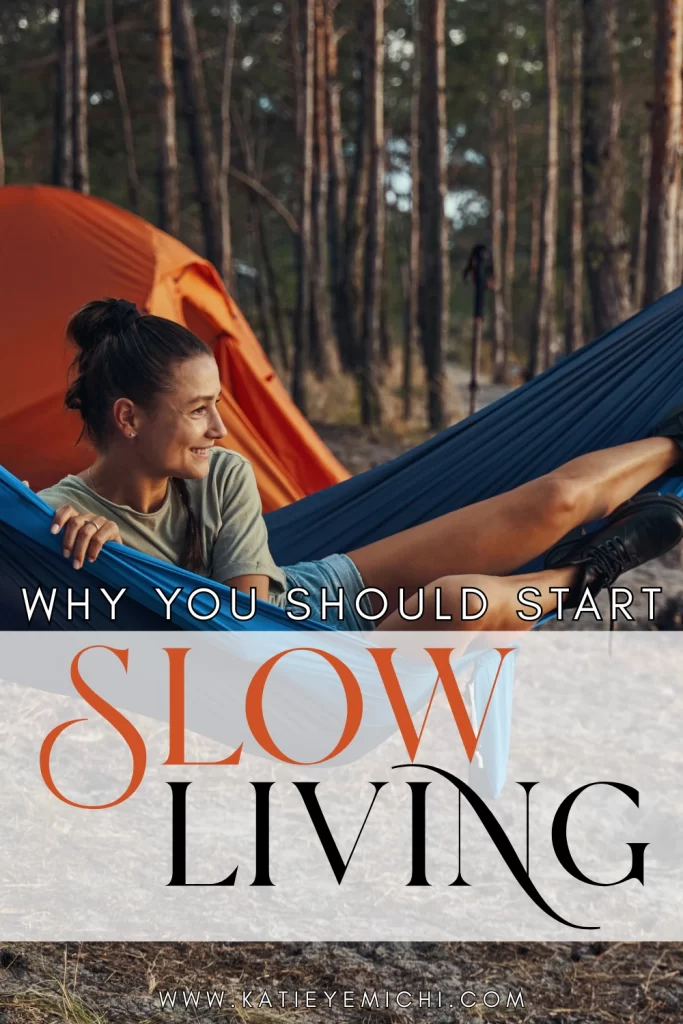
If you’re feeling overwhelmed by notifications, exhausted by a never-ending to-do list, and like there’s never enough time to breathe—this might be your wake-up call. The slow living movement offers a meaningful alternative to the fast-paced world we’ve been conditioned to accept as normal. It invites us to pause, breathe, and live life on our own terms—not society’s.
But this isn’t about giving everything up and moving to a tiny cabin in the woods (unless that’s your dream, of course!). This is about reclaiming your time, your energy, and your peace—starting right where you are.
What Is Hustle Culture—and Why Is It So Harmful?
Hustle culture is the glorification of constant productivity, where being busy is worn like a badge of honor. It tells us that rest is lazy, that ambition must be loud, and that self-worth is tied to external accomplishments. In modern society, it’s not uncommon to feel guilty for taking a day off or choosing a slower pace of life.
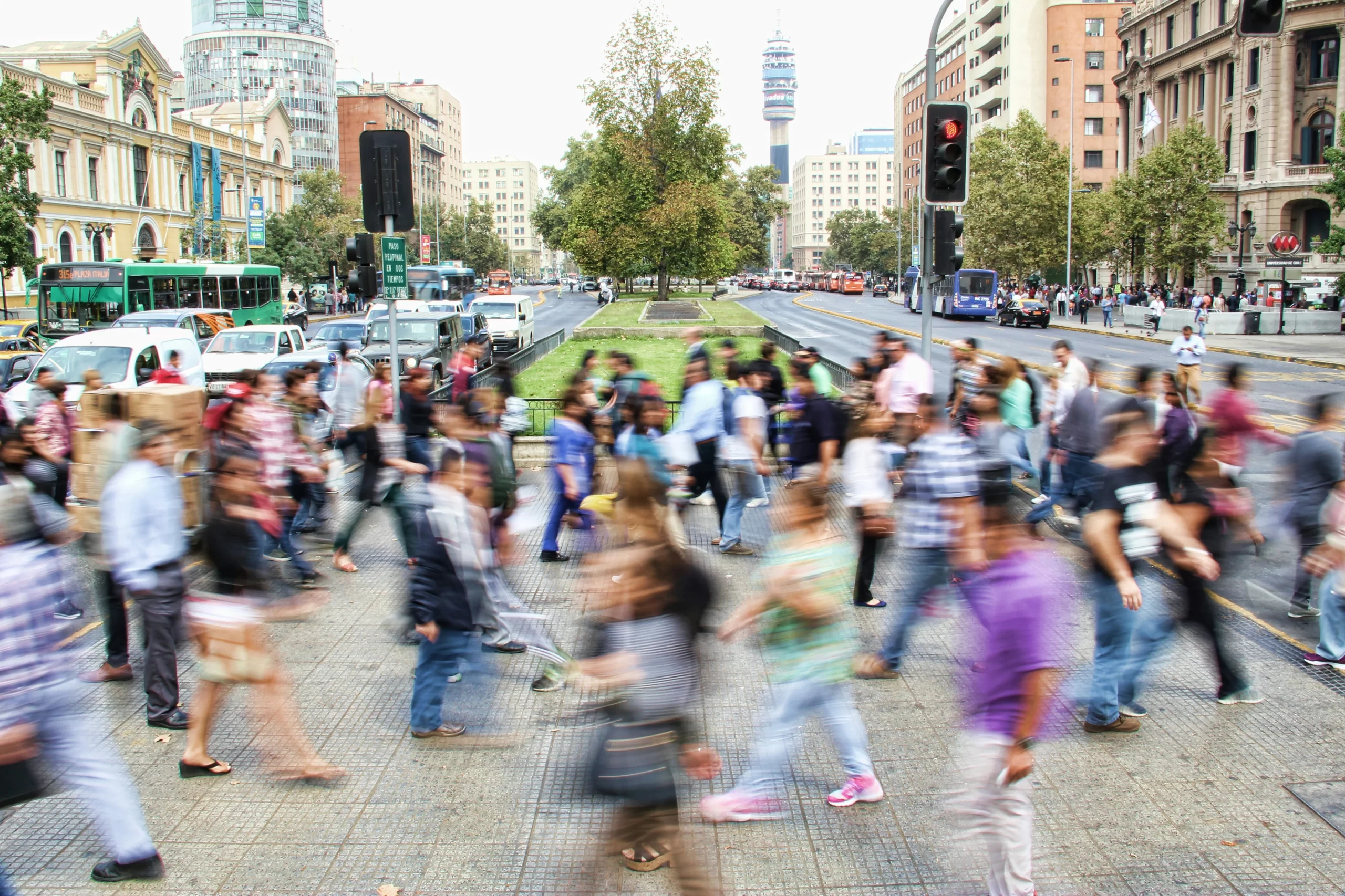
I used to equate rest with laziness—until I realized I was doing everything and still not feeling fulfilled. Even leisure activities and self-care became part of the grind. From perfectly curated skin routines on social media to checking off a “superficial to-do list” of bubble baths and green juices, I found myself performing wellness instead of truly living it.
But the slow living movement challenges all of that.
Busting the Myth: Rest Is Not Laziness
There’s a common misconception that slowing down means giving up. But the truth is, it takes strength to resist the current of constant motion. Rest isn’t lazy—it’s essential for your mental health, your physical health, and your connection to the present moment.

When I started intentionally slowing down, I noticed how much more present I felt—in conversations, in my body, even in moments of stillness. Slowing down helped me reconnect with my personal values. It became less about doing and more about being.
A Growing Wake-Up Call
People around the world are realizing that the cult of speed isn’t sustainable. This is especially true in recent years, as more of us have experienced burnout, anxiety, and a longing for something simpler.
Even Carl Honoré, one of the most well-known authors in the movement, advocates for a slower approach to life in his book In Praise of Slowness. His work, along with voices like Brooke McAlary and communities like Slow Living LDN, helped me realize I wasn’t alone. What once felt radical—choosing a slower lifestyle—was actually a return to something deeply human.
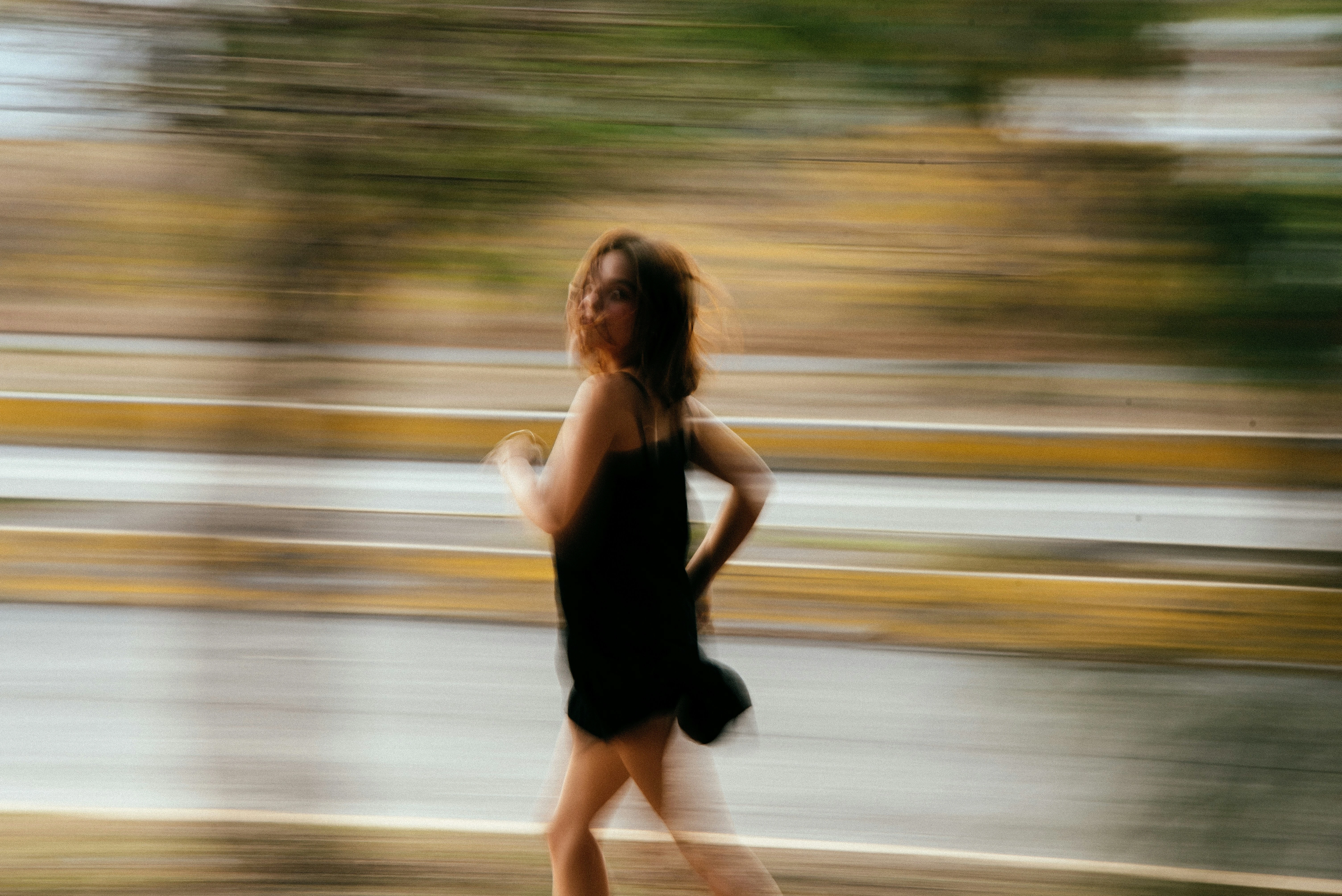
So, is the slow lifestyle right for you?
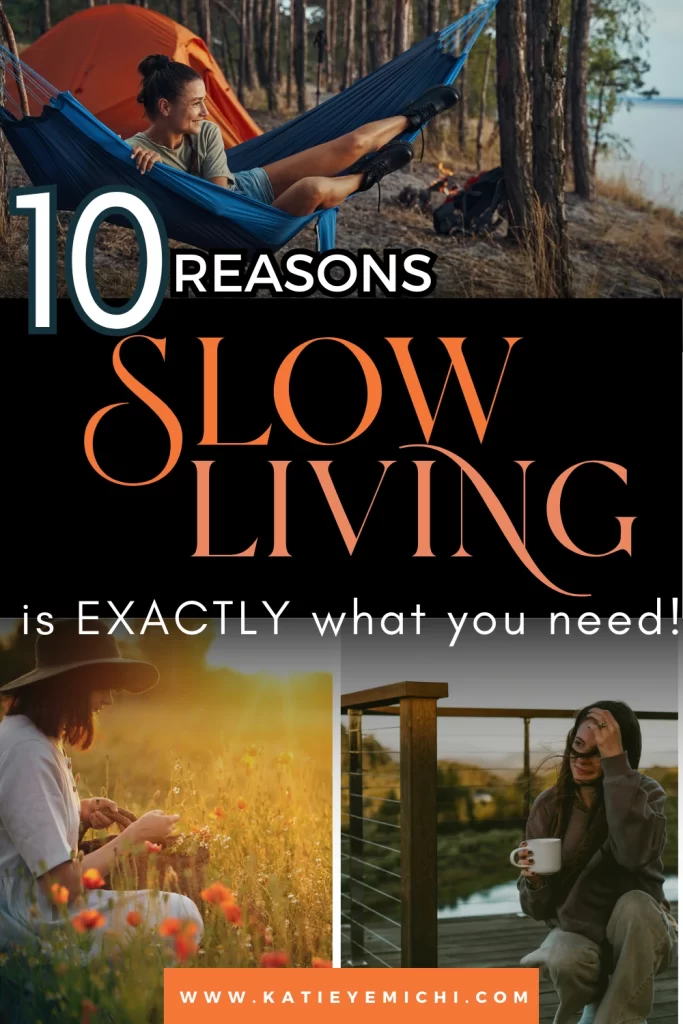
Here are 10 reasons the slow living movement might be exactly what you need:
1. You’re Tired of Feeling Burned Out
I used to think feeling drained all the time was just part of being an adult. But that kind of burnout isn’t normal—it’s a warning sign. In a fast-paced world, it’s easy to confuse productivity with purpose. But when you’re constantly running on empty, your body and mind begin to shut down. Burnout isn’t a badge of honor—it’s a signal. The slow living movement gives you permission to rest, recharge, and rebuild. Instead of pushing through exhaustion, it encourages you to listen to your inner needs and prioritize sustainability over speed in your daily life.

2. You Want to Be Present for the Little Things
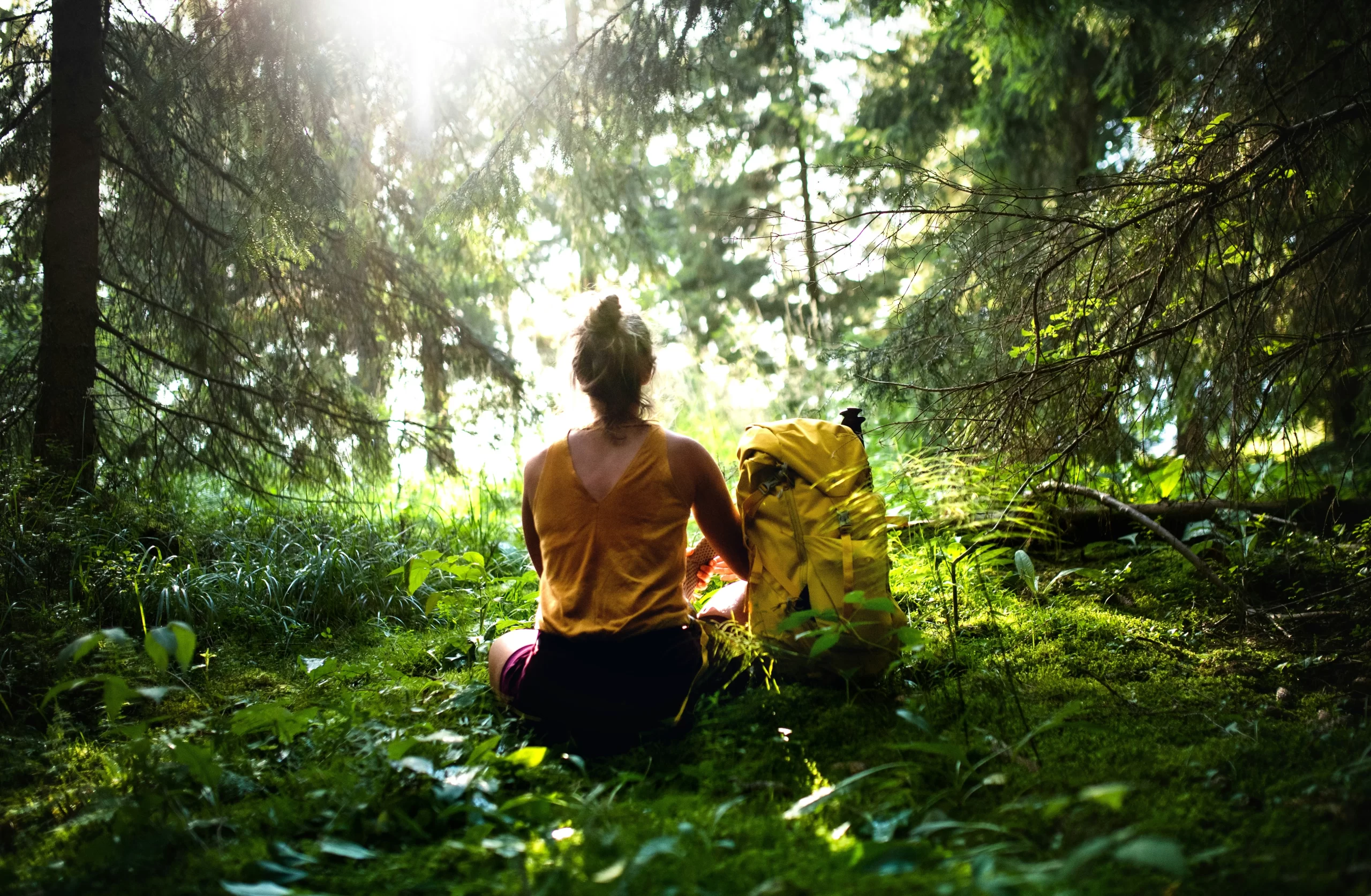
We often miss the little things that bring joy—sunlight on the wall, the warmth of your coffee mug, a shared laugh—because we’re too focused on what’s next. The slow lifestyle teaches you to anchor yourself in the present moment and appreciate life’s ordinary beauty. It helps you slow your thoughts, your breath, and your expectations, so you can actually live the moments you’ve been rushing through.
I never realized how much I was missing until I started paying attention. A quiet afternoon light, the sound of the kettle boiling, even the feeling of brushing my dog’s fur—these little things used to pass me by. The slow lifestyle taught me how to actually experience them, not just observe them on my way to the next task.
Learn More: Hygge Lifestyle Tips (and How to Actually Do it)
3. You Crave a Life With Less Pressure
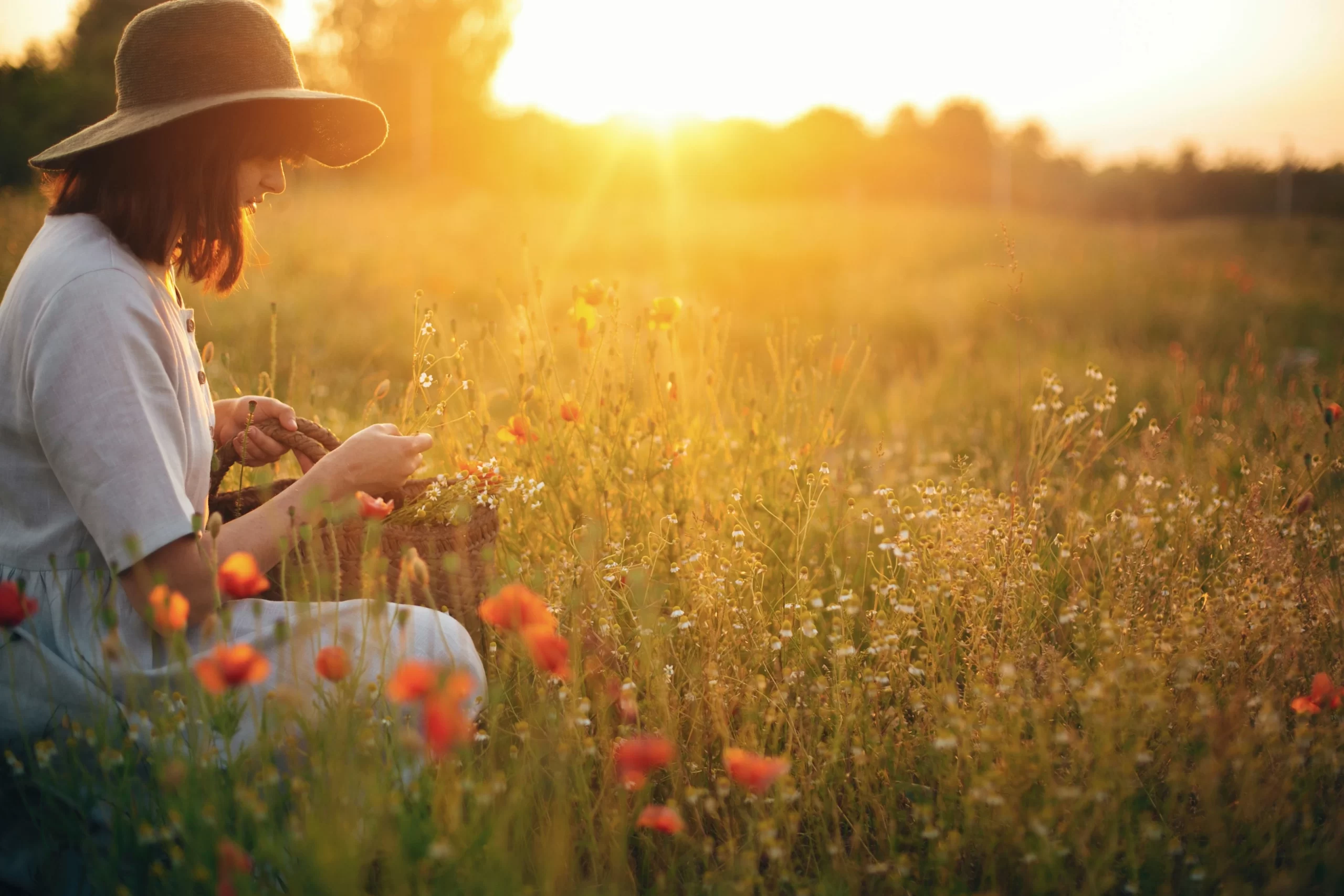
From social media to packed schedules, we’re constantly under pressure to do more and be more. The concept of slow living flips that script. It says you don’t have to prove your worth through endless tasks. You can choose a slower lifestyle, rooted in your own definition of success. By removing the noise, you begin to hear what truly matters—and give yourself grace to live accordingly.
When I deleted half the apps on my phone, I felt like I could breathe again. I was tired of the noise. The concept of slow living showed me that I didn’t have to prove my worth by doing more. I started saying no, creating white space in my calendar, and redefining success on my own terms.
4. You’re Looking for Depth, Not Just Efficiency
In our obsession with doing things faster, we often lose the richness of the experience. Cooking, conversations, even hobbies become means to an end. The slow movement values depth over speed. It encourages you to approach your routines—whether it’s eating, working, or resting—with full presence. It’s not just about getting things done; it’s about doing them well, and in a way that reflects your personal values.
I used to rush through dinner while scrolling, barely tasting my food. Now, I cook with music playing and eat without distractions. The slow movement reminded me that even my daily routines can hold joy and intention. It’s not just about doing something—it’s about feeling it.

5. You’re Starting to See the Flaws in Hustle Culture
Hustle culture can be seductive—but it’s also deeply damaging. It creates a reality where less time means more status, and burnout is normalized. Even acts of self-care get swallowed by productivity metrics. Slowing down is an act of resistance. It’s saying no to the narrative that your value lies in constant output. And it’s recognizing that chasing the finish line might mean missing your actual life.
At some point, I realized that no amount of productivity was ever “enough.” I kept chasing the next goal, hoping it would finally make me feel accomplished. But it didn’t. Slowing down was the first step toward reclaiming myself. I began to see that hustle culture thrives on insecurity—and I no longer wanted to fuel it.

6. You Want to Reconnect With the Natural Rhythm of Time
Our ancestors lived by the sun, the seasons, and the cycles of nature. Today, we live by calendar alerts and caffeine. The slow food movement, slow fashion, and even slow travel are ways people are reconnecting with time’s natural rhythm. The slow living trend shows that the answer isn’t to stop living—it’s to live slow, and let your body and spirit breathe.
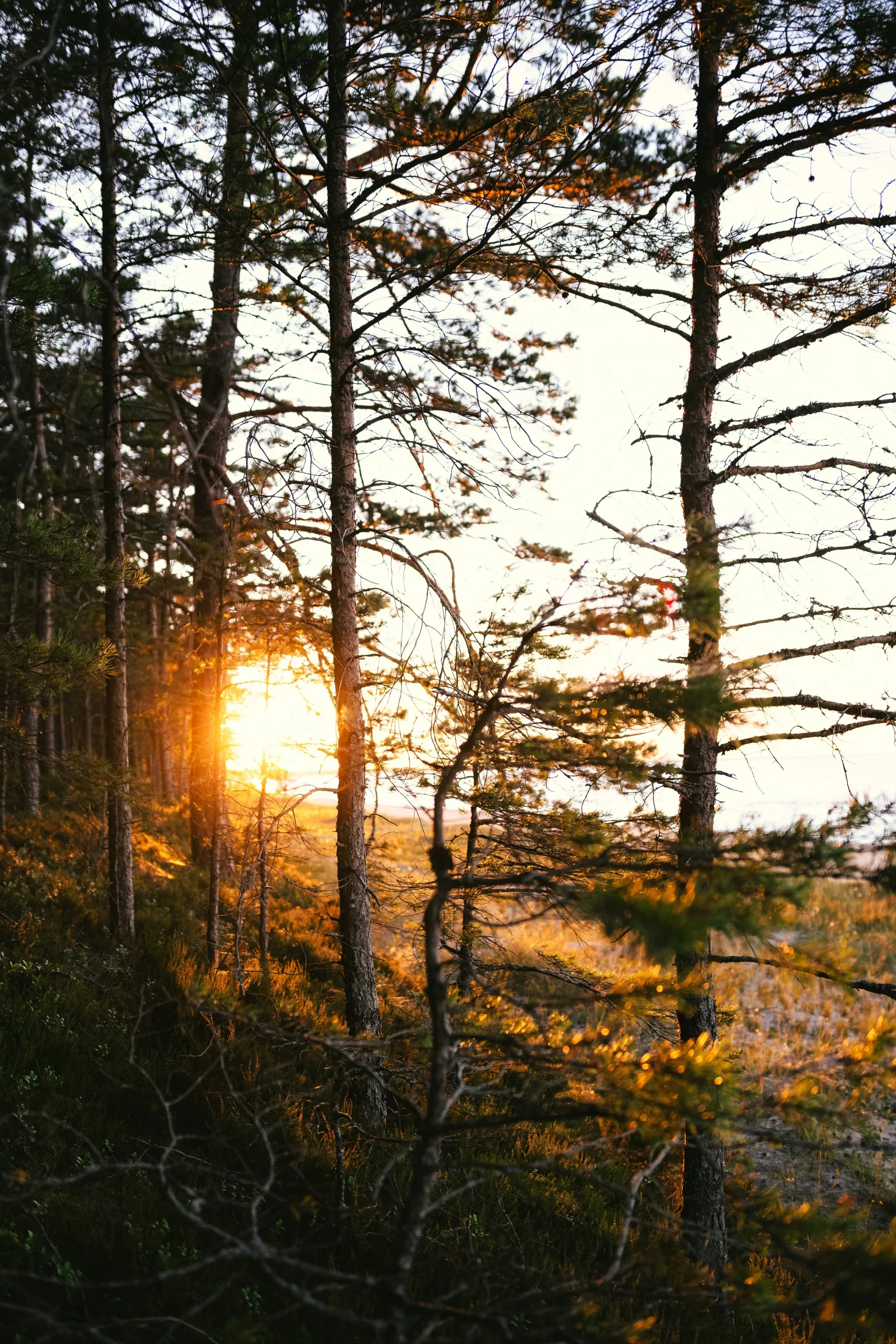
I remember the first time I really noticed the sunset after months of working late into the evening. It stopped me in my tracks. The slow food movement, slow travel, and other elements of the slow movement helped me reconnect with a more natural rhythm. I now plan for stillness the way I used to plan for meetings.
7. You’ve Had Enough of Social Media’s Highlight Reel
You don’t need to quit social networks entirely, but you might want to redefine your relationship with them. The slow lifestyle invites you to curate your inputs as intentionally as your outputs. What you consume affects your thoughts, your energy, and your sense of self. The slow living movement asks: What would happen if you stopped comparing and started experiencing?
I used to open Instagram and feel worse about myself within minutes. Everyone seemed ahead of me. But the more I embraced intentional living, the more I began curating what I allowed in. Now I ask: is this feeding my soul or draining it? The slow lifestyle helped me shift from comparison to presence.

Learn More: 11 Unique Stress Relief Activities for Adults You’ve Never Heard of Before
8. You Miss Feeling Grounded
Modern life can feel like a constant spin cycle. You’re always moving but never arriving. Incorporating slow living practices—like a grounding morning ritual or moments of stillness—can help bring you back to yourself. A deep breath, a walk without your phone, a meal eaten slowly: these small changes anchor you to the moment and remind you of your humanity in a world that often forgets it.
My favorite part of the day used to be when I finally shut my laptop, only to realize I couldn’t even remember what I ate for lunch. That disconnection is what led me to slow living practices. Now, a walk without my phone, a deep breath before bed, or even just lighting a candle has become part of how I come home to myself.
9. You’re Longing for a Simpler Life
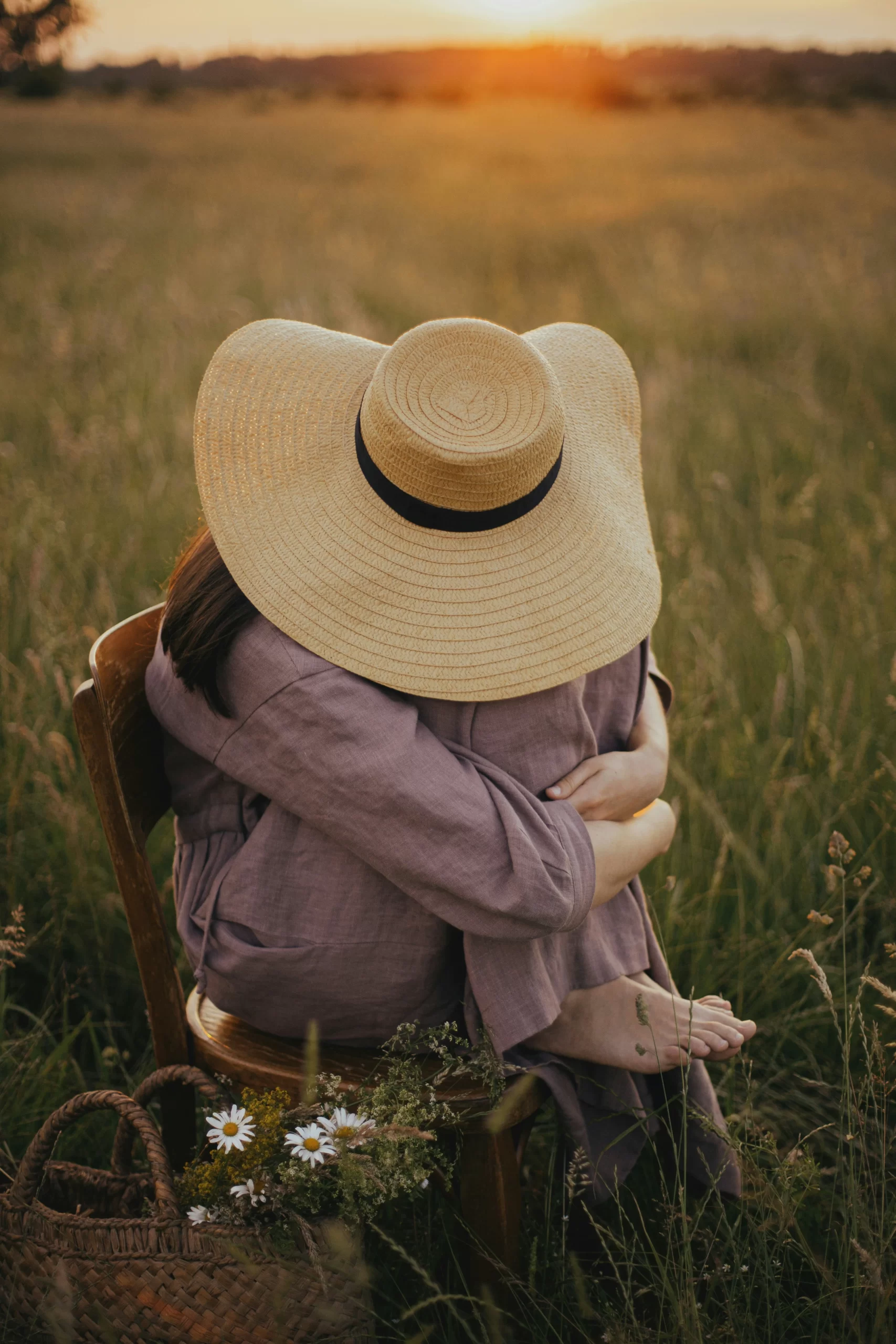
There’s a reason simple living and intentional living are trending. Many of us are quietly craving a return to the essentials—a simpler life with fewer distractions and more meaning. Whether that means downsizing, exploring tiny homes, or just saying no more often, the slow living movement supports you in designing a way of life that actually supports you back.
I used to feel like I was constantly managing clutter—in my home, in my mind, in my calendar. The more I embraced simple living, the more peace I found. It wasn’t about being minimalist or perfect—it was about choosing what mattered and letting go of the rest. That shift changed how I live, work, and rest.
10. You’re Ready for a Lifestyle That Honors Your Humanity
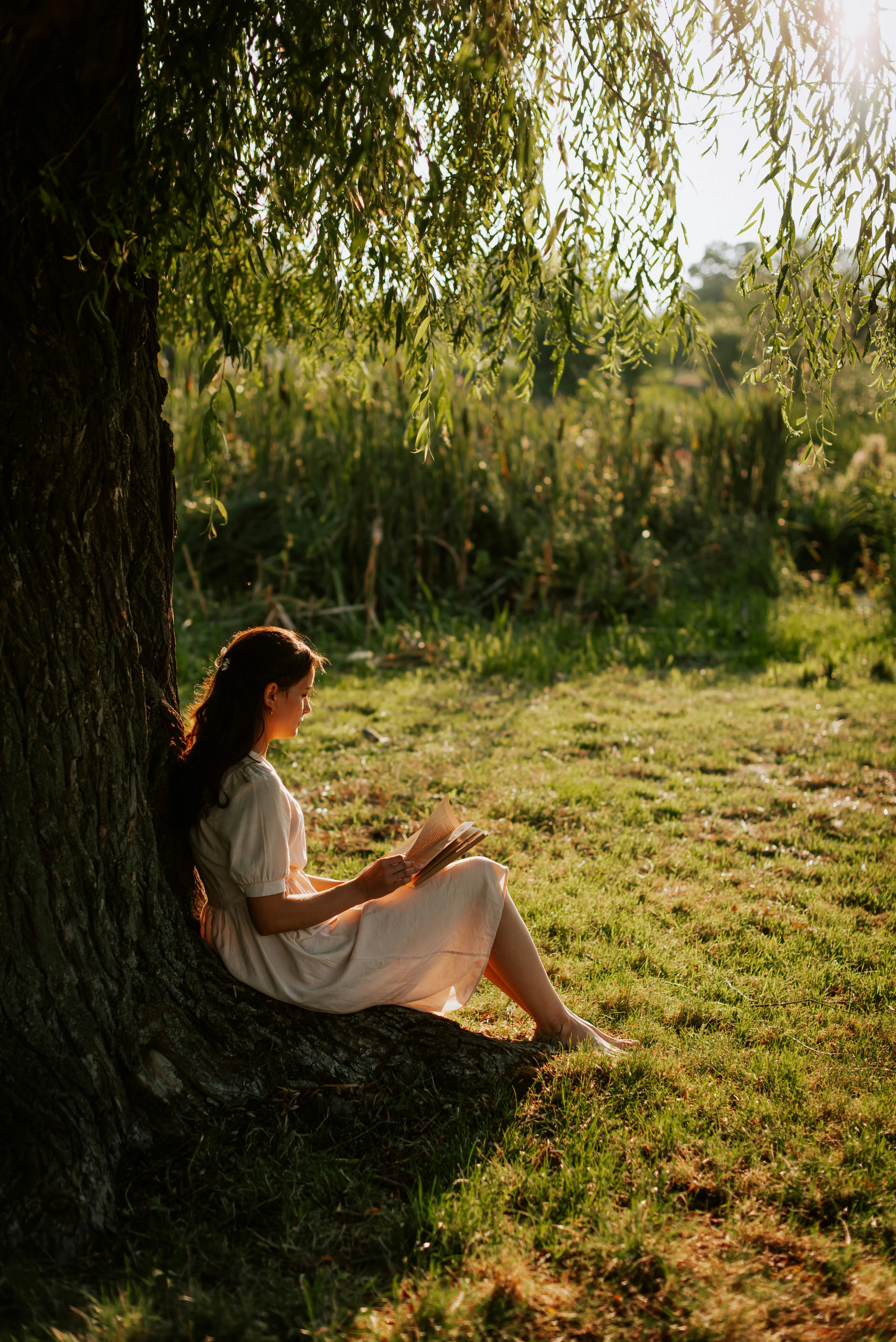
You’re not a machine. You don’t exist to grind, achieve, and repeat. The central tenet of the slow philosophy is that a life well-lived is one filled with connection, rest, and reflection. The slow lifestyle offers a path to that—where you can define success on your own terms, align with your personal journey, and stop living on autopilot. This isn’t about doing nothing. It’s about doing what matters—at your own pace.
I no longer want to be in a cycle of burnout and recovery. The central tenet of the slow philosophy—that we are meant to live deeply, not just efficiently—became my anchor. I now define productivity in a way that aligns with my personal journey, and I feel more human because of it.
The Movement Behind the Movement
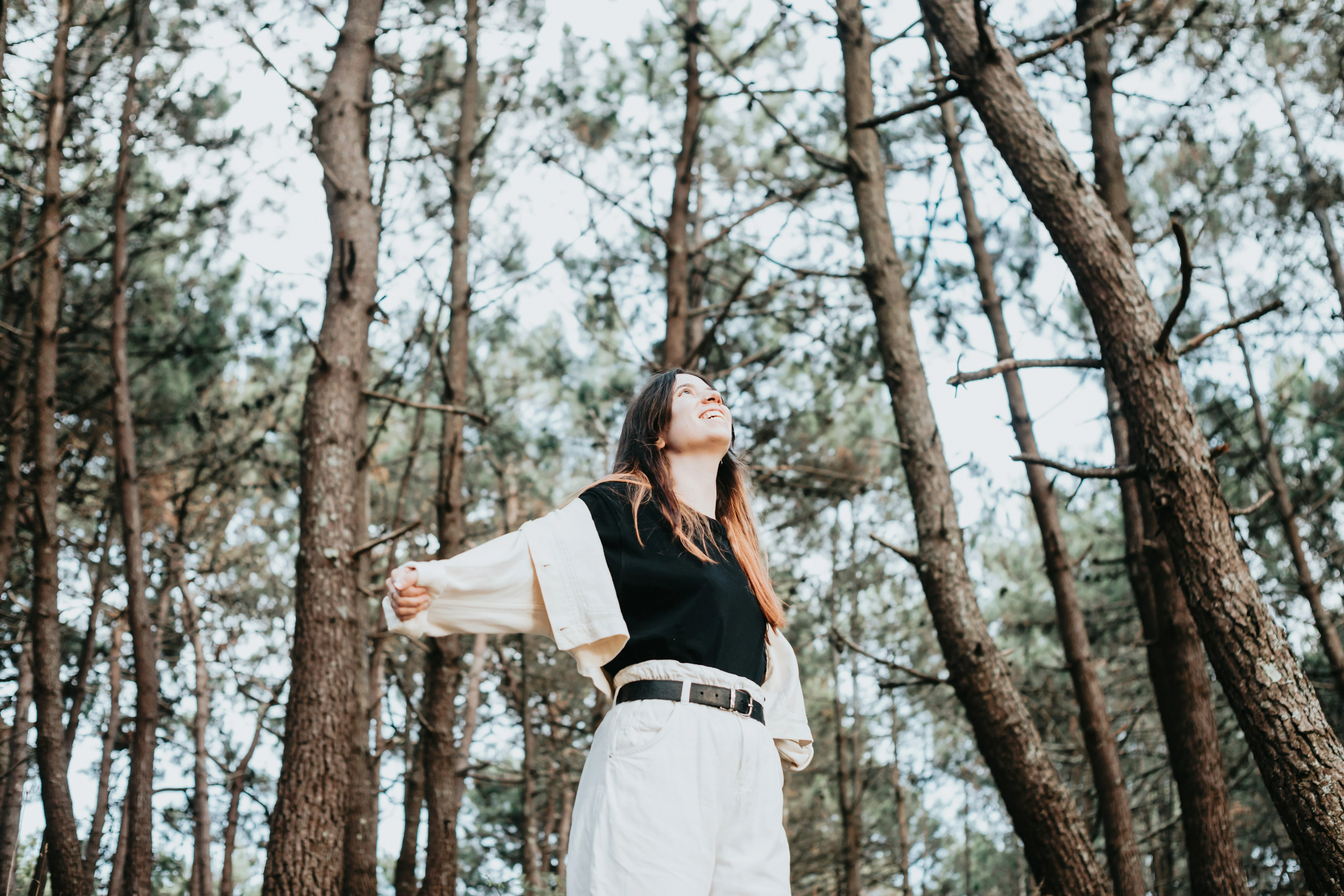
Though it may sound individual, the slow living movement began with a group of activists pushing back against the opening of a McDonald’s near the Spanish Steps in Rome. From that moment, the ripple effect began. It’s grown into a global call for intentional living—from urban living to rural areas, from your kitchen to your calendar.
There’s No One Way to Live Slow
And that’s the beauty of it. There’s no single checklist, no gold star at the end. Whether you’re exploring tree changes, creating slow living practices, or simply noticing you’re spending more quality time with your loved ones, you’re doing it right.
Even your google account doesn’t need to be tied to your self-worth. The slow living trend reminds us that productivity isn’t the only metric that matters.
So… How Do You Start?
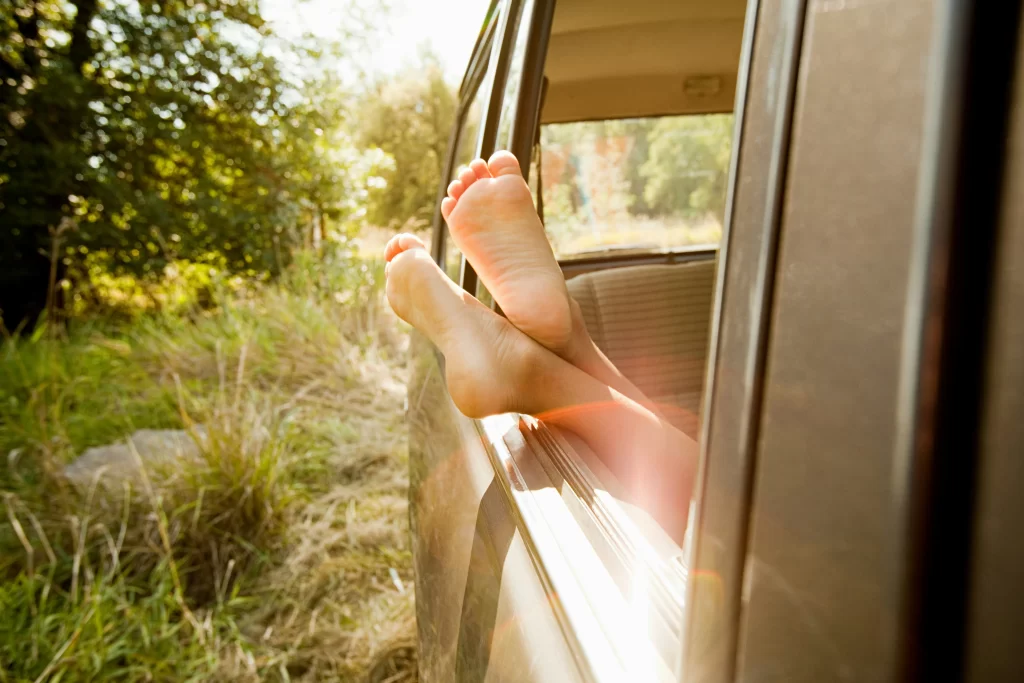
Start with small changes:
- Spend free time tech-free.
- Add pauses into your daily routines.
- Cook your own food from scratch when you can.
- Take the slow means to your next destination—walk instead of rush.
- Create a cozy nook for journaling, a good book, or tea.
Above all, ask yourself what truly matters. Then move toward that—at your own pace.
Final Thoughts
The slow living mindset isn’t a rejection of productivity. It’s a rebellion against fast-paced life that forgets what really matters. In the words of Carl Honoré, the central tenet of the slow philosophy is this:
“It’s about quality over quantity. Real living, not just existing.”
I’m still learning how to slow down. Some days I fall back into old habits. But the slow living movement has given me a new lens—one that helps me move through life with more clarity, more grace, and more joy. Maybe you’re ready for that, too.
So take a deep breath. There’s no rush. The art of slow living starts not with a drastic overhaul, but with one small moment of presence. Maybe this is yours.